


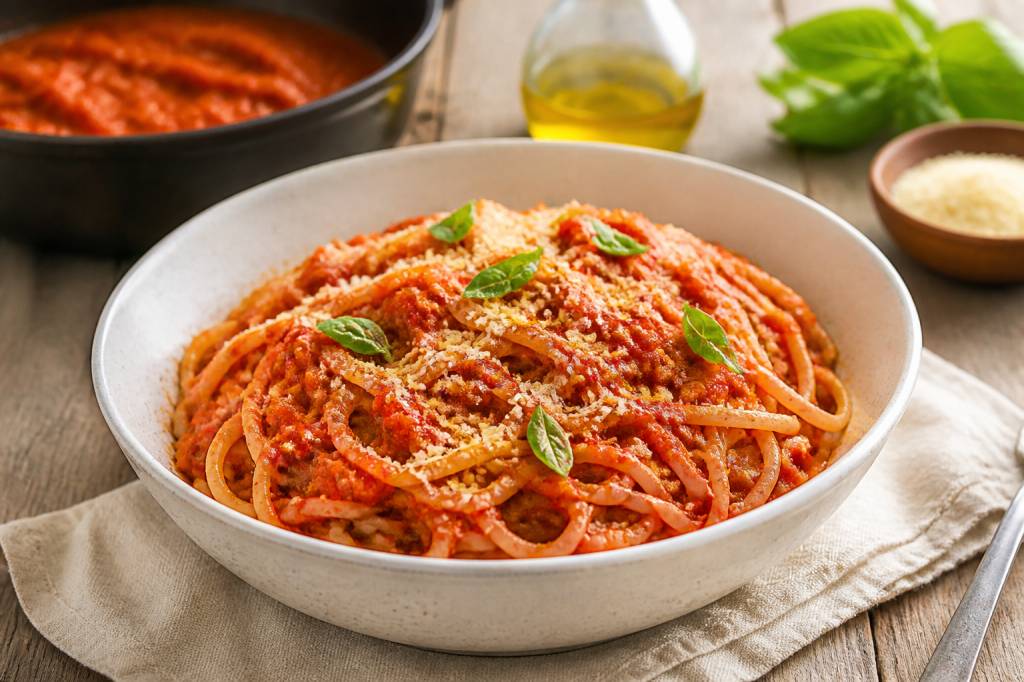
There are two kinds of people in this world: those who think pasta sauce is “just tomato sauce,” and those who know it’s the difference between a decent dinner and a plate you remember all week. If you want rich, easy homemade meals without spending your evening babysitting a pan like it owes you money, you’re in the right place.
I’ve spent enough time behind a bar and in kitchens to know this: the best recipes are the ones you actually make again. So I’m keeping this practical, flavor-forward, and fully doable on a weeknight. No fancy chef vocabulary, no unnecessary detours. Just ten pasta sauces that work hard, taste great, and make a simple bowl of pasta feel like a proper meal.
Classic tomato and basil sauce
This is the sauce you should master first. It’s simple, versatile, and always useful. The key is not to rush it. A good tomato sauce needs time to turn from “raw and sharp” into “round and rich.”
Start with olive oil, garlic, onion, and good-quality canned tomatoes. Add salt, a pinch of sugar if the tomatoes are too acidic, and let it simmer gently. Tear in fresh basil at the end so it stays fragrant instead of turning dull and bitter.
Best with: spaghetti, penne, or baked pasta.
- Use whole peeled tomatoes for better texture
- Let it simmer at least 20 minutes
- Finish with olive oil for a smoother mouthfeel
Garlic butter parmesan sauce
This one is for nights when you want comfort fast. It’s rich, salty, and ridiculously satisfying. Think of it as the pasta version of your favorite soft sweater. The secret is to keep the garlic gentle. Burnt garlic will ruin the whole thing in about two seconds, so stay close to the pan.
Melt butter with minced garlic, then add a splash of pasta water and a generous handful of grated parmesan. Stir until silky. A little black pepper wakes everything up. If you want a fuller sauce, add a spoonful of cream, but honestly, it doesn’t need it.
Best with: fettuccine, linguine, or gnocchi.
- Use real parmesan, not the dusty stuff in a shaker
- Save pasta water before draining
- Add parsley if you want a fresh finish
Slow-cooked bolognese
Yes, bolognese takes time. But that’s exactly why it tastes so good. This is not a “throw it together in ten minutes” sauce. It’s a small act of patience that pays you back in every bite.
Build the base with onion, carrot, celery, and olive oil. Brown minced beef or a mix of beef and pork, then deglaze with red wine. Add tomato paste, crushed tomatoes, and a little milk for softness. Let it bubble low and slow until the sauce turns thick and deep.
I once had a bowl of proper bolognese in a tiny trattoria in Bologna, and the sauce barely looked dramatic. No mountain of cheese, no loud garnish, just rich depth and perfect balance. That’s the goal here.
Best with: tagliatelle, pappardelle, or lasagna.
- Use wine you’d actually drink
- Don’t rush the simmer
- Grate a little nutmeg if you want extra warmth
Creamy mushroom sauce
If you want something earthy and elegant without much effort, this is a winner. Mushrooms bring that deep umami flavor that makes the sauce taste more complex than it really is. It’s the kind of recipe that feels a little fancy but behaves like a weeknight meal.
Sauté mushrooms in butter until they brown properly. That browning matters. If you crowd the pan, they steam and sulk instead of caramelizing. Add shallot, garlic, cream, and a splash of white wine or vegetable stock. Finish with thyme and parmesan.
Best with: rigatoni, tagliatelle, or stuffed pasta.
- Mix mushrooms for more depth: button, cremini, shiitake
- Brown them well before adding liquid
- Use thyme or tarragon for extra character
Spicy arrabbiata
Arrabbiata is proof that simple ingredients can still have attitude. It’s a tomato sauce with heat, garlic, and a proper kick from chili flakes. If you like your dinner to wake you up a little, this is your sauce.
Cook garlic and chili flakes in olive oil, then add tomatoes and salt. Let it simmer until it thickens. That’s it. No need to complicate things. If the sauce tastes flat, it usually needs more salt or a touch more olive oil, not random extra ingredients.
Best with: penne, spaghetti, or bucatini.
- Use dried chili flakes for steady heat
- Keep the sauce punchy, not sweet
- Top with parsley or pecorino
Pesto sauce
Pesto is one of those sauces that can be brilliant or forgettable depending on the balance. Too much oil and it goes greasy. Too much garlic and it gets aggressive. The right pesto is fresh, nutty, herbal, and just rich enough to cling to the pasta.
Blend basil, pine nuts, garlic, parmesan, and olive oil until smooth but not completely paste-like. A little lemon juice can brighten the whole thing. I like to loosen pesto with a spoonful of pasta water before tossing it through the noodles, because dry pesto is a missed opportunity.
Best with: trofie, linguine, or gnocchi.
- Toast the nuts for more flavor
- Add pasta water to make it silky
- Use fresh basil, always
Vodka sauce
Vodka sauce has a slightly glam reputation, but it’s actually easy to make at home. The vodka doesn’t make it taste boozy; it sharpens and carries the tomato flavor in a really nice way. The result is creamy, tangy, and comforting without being heavy.
Cook onion and garlic in butter or olive oil, add tomato paste, then deglaze with vodka. Let it reduce before stirring in cream and parmesan. The sauce should be smooth and orange-pink, not overly thick. A little chili flake doesn’t hurt either.
Best with: penne, rigatoni, or fusilli.
- Let the vodka cook off briefly
- Use tomato paste for intensity
- Finish with basil or extra parmesan
Roasted red pepper sauce
This is the sauce I make when I want something sweet, smoky, and a bit different from the usual tomato routine. Roasted peppers bring softness and depth, and they blend into a naturally smooth sauce that feels polished without much work.
You can roast peppers yourself or use good jarred ones if you’re short on time. Blend them with garlic, onion, olive oil, a little cream or ricotta, and seasoning. Warm the sauce gently and serve right away. It’s especially good when you want a lighter sauce that still feels rich.
Best with: penne, spaghetti, or vegetable pasta.
- Add smoked paprika for extra depth
- Use ricotta for a softer texture
- Balance sweetness with a splash of vinegar or lemon
Sausage and fennel sauce
This one is bold, savory, and very satisfying. Sausage brings fat and flavor, while fennel adds that subtle anise note that makes the sauce taste more layered. If you want a hearty meal that feels like it came from a rustic kitchen, here you go.
Remove sausage from its casing and brown it well. Add onion, garlic, fennel seeds, and tomato paste, then pour in tomatoes and let the sauce simmer. A splash of white wine helps lift the richness. Crushed chili flakes are optional, but I’d keep them in.
Best with: orecchiette, rigatoni, or mezze maniche.
- Brown the sausage properly for real flavor
- Fennel seeds make a big difference
- Serve with a sharp cheese on top
Fresh lemon and cream sauce
Not every pasta sauce needs to be deep, dark, and slow-cooked. Sometimes you want something bright, creamy, and clean-tasting. Lemon and cream is the answer when you’re after richness without weight.
Warm cream gently with garlic, add lemon zest and a little juice, then season with salt and black pepper. Stir in parmesan if you want more body. The trick is to keep the lemon fresh and lively, not sour and aggressive. This sauce works especially well when you want something fast but still a little elegant.
Best with: linguine, tagliatelle, or asparagus pasta.
- Use both zest and juice for better flavor
- Don’t boil the cream hard
- Fresh herbs like dill, chives, or basil work beautifully
How to make any pasta sauce taste better
Good sauce isn’t only about the recipe. A few small habits make a huge difference, and honestly, they’re the sort of details that separate “fine” from “I need this again tomorrow.”
- Salt your pasta water properly. It should taste like the sea, not a rainy Tuesday.
- Save pasta water. It’s the easiest way to bind sauce and pasta.
- Use enough fat. Olive oil, butter, cream, or cheese all help carry flavor.
- Let sauces simmer when needed. Rushing is rarely an improvement.
- Finish pasta in the sauce for the last minute or two so everything coats properly.
The best pasta sauces don’t need to be complicated. They just need balance, good ingredients, and a little care. Whether you’re in the mood for something rich and slow-cooked or fast and creamy, there’s always a sauce that can turn a basic bowl of pasta into a real meal.
And if you’re serving pasta with a drink on the side, you already know where my thoughts go: tomato-based sauces love a juicy red, creamy sauces enjoy a crisp white, and anything spicy can handle a chilled glass with ease. Simple food, good sauce, and the right drink? That’s the kind of dinner that never gets old.